


The World on a Plate: A Diner's Guide to China's Regional Cuisines and Its Global Diaspora

Jacob Ung
May 4, 2026

9 min read
A diner's field guide to China's eight great culinary traditions and the global diaspora cuisines they became, from Binondo to Lima.
There is no such thing as “Chinese food.” There is Cantonese food and Sichuan food and Hokkien food and Peranakan food and Chinese-Peruvian Chifa — dozens of distinct culinary languages that share a grammar but speak in wildly different accents. For a diner, that’s the good news: wherever you are in the world, “let’s get Chinese” can mean a hundred different meals, and knowing which one you’re walking into changes what you order, what you drink alongside it, and what you should expect on the plate.
I’ve spent years chasing that distinction on purpose — WSET training taught me to stop accepting vague labels for wine, and I’ve come to feel the same way about food, especially food I have some claim to myself. I’m Chinese by ancestry, and for a long time “Chinese food” was as flattening a label to me as it is to anyone. Sorting it out — regional tradition by regional tradition, diaspora by diaspora — has been one of the more useful things I’ve done for my own palate, and it’s the same instinct behind everything else I write here: skip the version built for the widest possible audience, and go find the specific thing instead.
This guide splits into two halves. First, the regional traditions of mainland China — the source cuisines. Second, the diaspora cuisines that grew up wherever Chinese migrants settled, from Taipei night markets to Lima’s Chifa counters, each one a genuine hybrid rather than a copy of home. Every section closes with an Order this — the two or three dishes that actually define the tradition, not just whatever’s easiest to find.
Part One: China’s Regional Traditions
The Eight Great Culinary Traditions (八大菜系)
Chinese food scholars have long organized the country’s cooking into eight canonical schools. They’re not exhaustive, but they’re the right starting map.
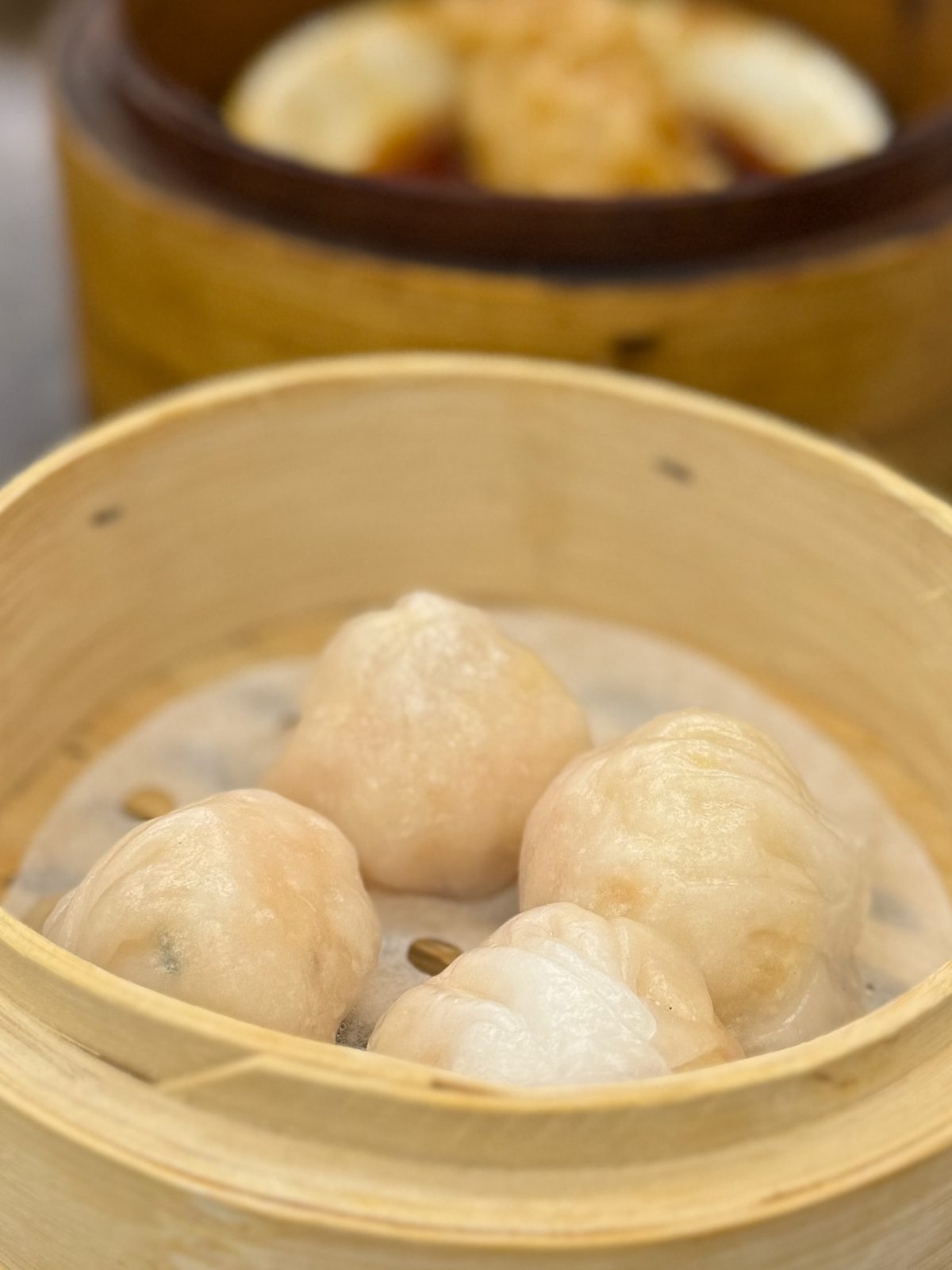
Cantonese (Yue) — Guangdong. The most internationally recognizable Chinese cuisine, and the one most diaspora cooking descends from. The philosophy is restraint: let the ingredient taste like itself. If you’re drinking wine with it, Cantonese food’s clean, umami-driven profile is one of the few Chinese cuisines that pairs genuinely well with a mineral Chablis or an off-dry Riesling. Order this: har gow and siu mai at dim sum, whole steamed garoupa with ginger and scallion, and roast goose from a siu mei specialist.

Sichuan (Chuan). Heat and numbness — the mala combination of chili and Sichuan peppercorn — layered over a surprisingly wide range of techniques, not just fire. Order this: mapo tofu, dan dan noodles, water-boiled fish (shuizhu yu), and mouth-watering chicken (kou shui ji) as your cold starter.
Hunan (Xiang). Sichuan’s spicier, sourer cousin — fresh chilies rather than dried, less numbing, more pungent. Order this: Chairman Mao’s red-braised pork (Mao shi hong shao rou), steamed fish head with chopped chili (duo jiao yu tou), and smoked cured pork stir-fried with dried tofu (larou chao doufu gan).
Shandong (Lu). The oldest of the eight and the structural root of Beijing court cuisine. Seafood-forward, vinegar and scallion-driven, technically rigorous. Order this: sweet and sour yellow river carp (tang cu li yu), braised sea cucumber with scallion (cong shao haishen), and nine-turn braised intestines (jiuzhuan dachang).
Jiangsu (Su), especially Huaiyang. Refined knife-work and delicate braising; historically the cuisine served at state banquets. Order this: lion’s head meatballs (shizitou), Yangzhou fried rice, and wensi tofu soup — silken tofu sliced into hair-thin threads as a showcase of Huaiyang knife skill.
Zhejiang (Zhe). Light, faintly sweet, closely tied to Hangzhou and West Lake. Order this: Dongpo pork, West Lake fish in vinegar sauce, beggar’s chicken.
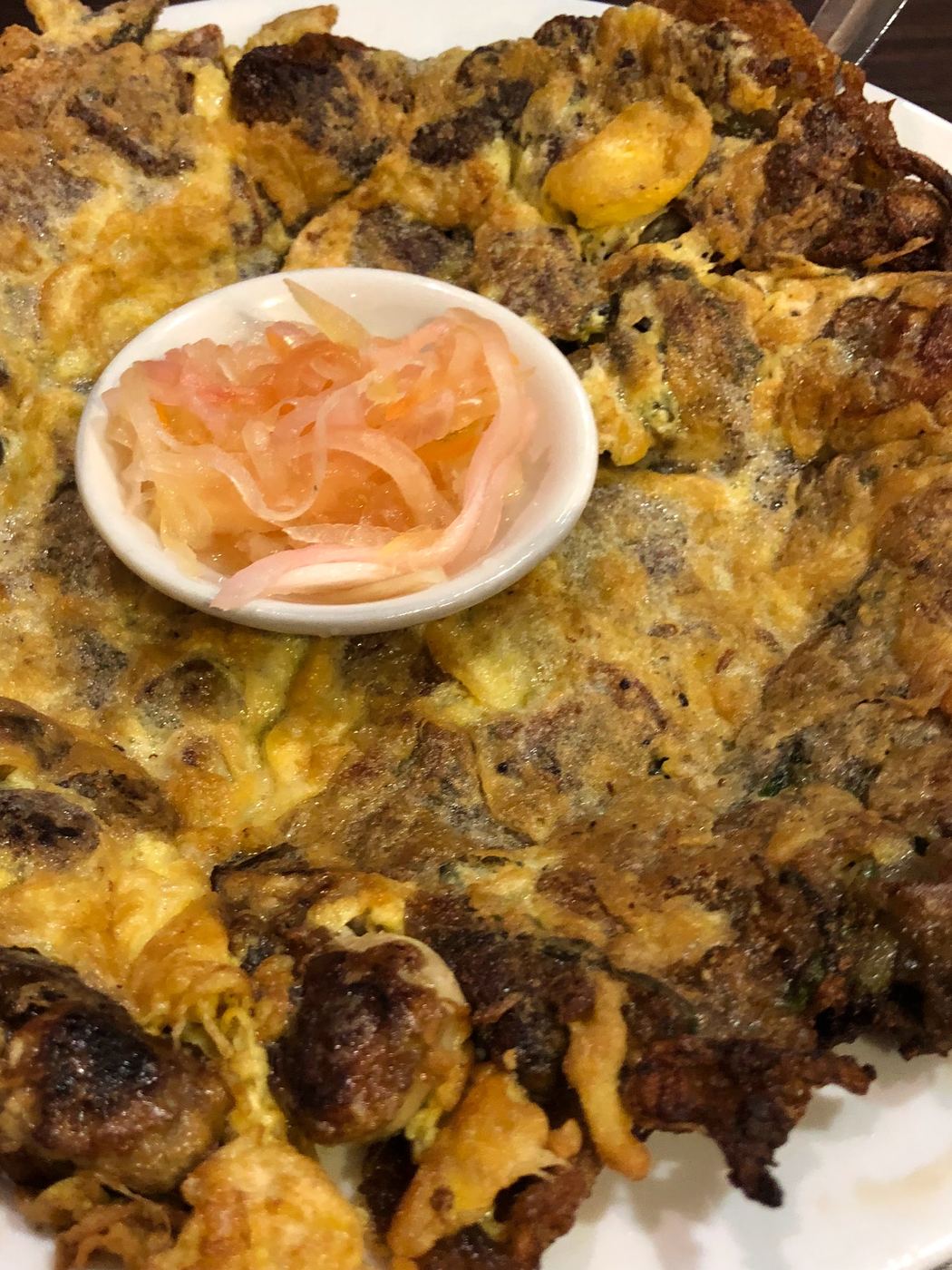
Fujian (Min). Coastal, soup-centric, built around red wine lees and a sophisticated stock tradition. This is the ancestral cuisine for most of Southeast Asia’s Chinese diaspora — when you eat Filipino, Malaysian, or Singaporean Chinese food, you’re often eating Fujian’s grandchildren. (More on exactly how in the companion piece on Chinese food in the Philippines — Fujian is where that whole story starts.) Order this: Buddha Jumps Over the Wall (fo tiao qiang), oyster omelette (o-ah-jian), and red wine lees chicken (hong zao ji).
Anhui (Hui). Mountain-forward, wild ingredients, heavy use of braising and stewing, less oil-and-garnish showmanship than its coastal peers. Order this: Huangshan-style stewed turtle with ham, smoked mandarin fish (chou guiyu — it’s supposed to smell faintly off before you taste it), and Li Hongzhang hotchpotch, a banquet stew named for the Qing statesman.
Beyond the Eight
A few traditions that don’t make the classic canon but matter enormously to how Chinese food actually spread and evolved:
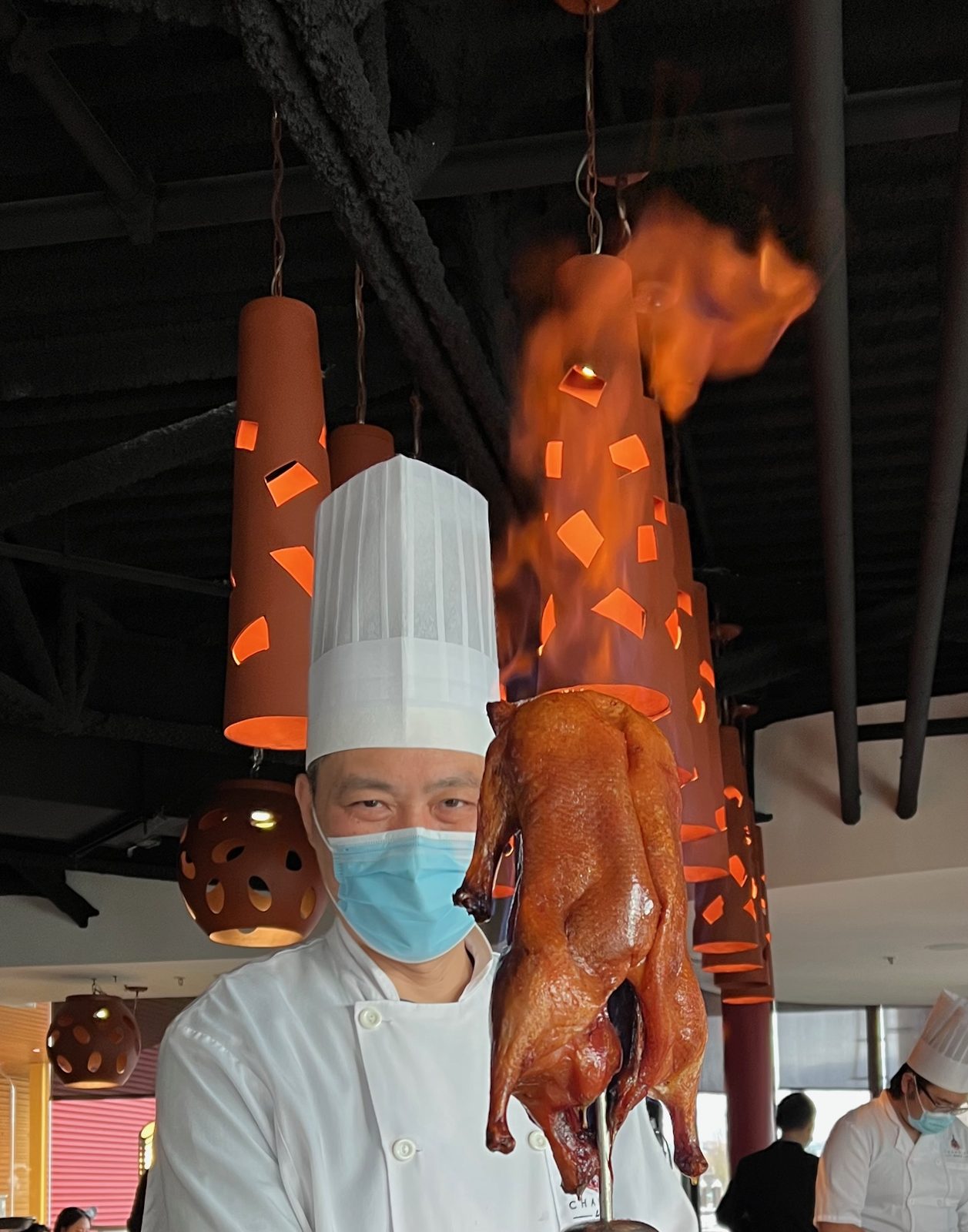
Beijing/Jing — imperial court cooking. Order this: Peking duck with pancakes, scallion, and hoisin; zhajiangmian (fried soybean-paste noodles); and boiled jiaozi at a home-style spot.

Shanghai/Hu — soup dumplings and red-braising, sometimes folded into Jiangsu/Zhejiang but distinctive enough to stand alone. Order this: xiaolongbao, red-braised pork belly (hong shao rou), and drunken chicken (zui ji).

Chaoshan/Teochew — technically part of Guangdong province but flavour-wise its own thing: brothy, seafood-driven, the cuisine underneath most Thai-Chinese and much Singaporean/Malaysian Chinese cooking. Order this: braised goose with garlic-vinegar dip, Chaoshan beef hotpot, and a bowl of rice porridge (muay) with salted condiments.
Hakka (Kejia) — not a province but an ethnic migratory group, and arguably the single most influential tradition on diaspora cooking worldwide. Order this: stuffed tofu (yong tau foo), salt-baked chicken (yan ju ji), and preserved mustard greens braised with pork belly (mei cai kou rou).
Yunnan — borders Vietnam, Laos, and Myanmar, and tastes like it. Order this: cross-bridge noodles (guoqiao mixian), a wild mushroom hotpot in season, and steam-pot chicken (qiguo ji).
Xinjiang — Uyghur, Central Asian, built on lamb, cumin, and hand-pulled noodles. Order this: lamb skewers (yang rou chuan), hand-pulled noodles (laghman), and da pan ji — big plate chicken with potatoes and belt noodles.
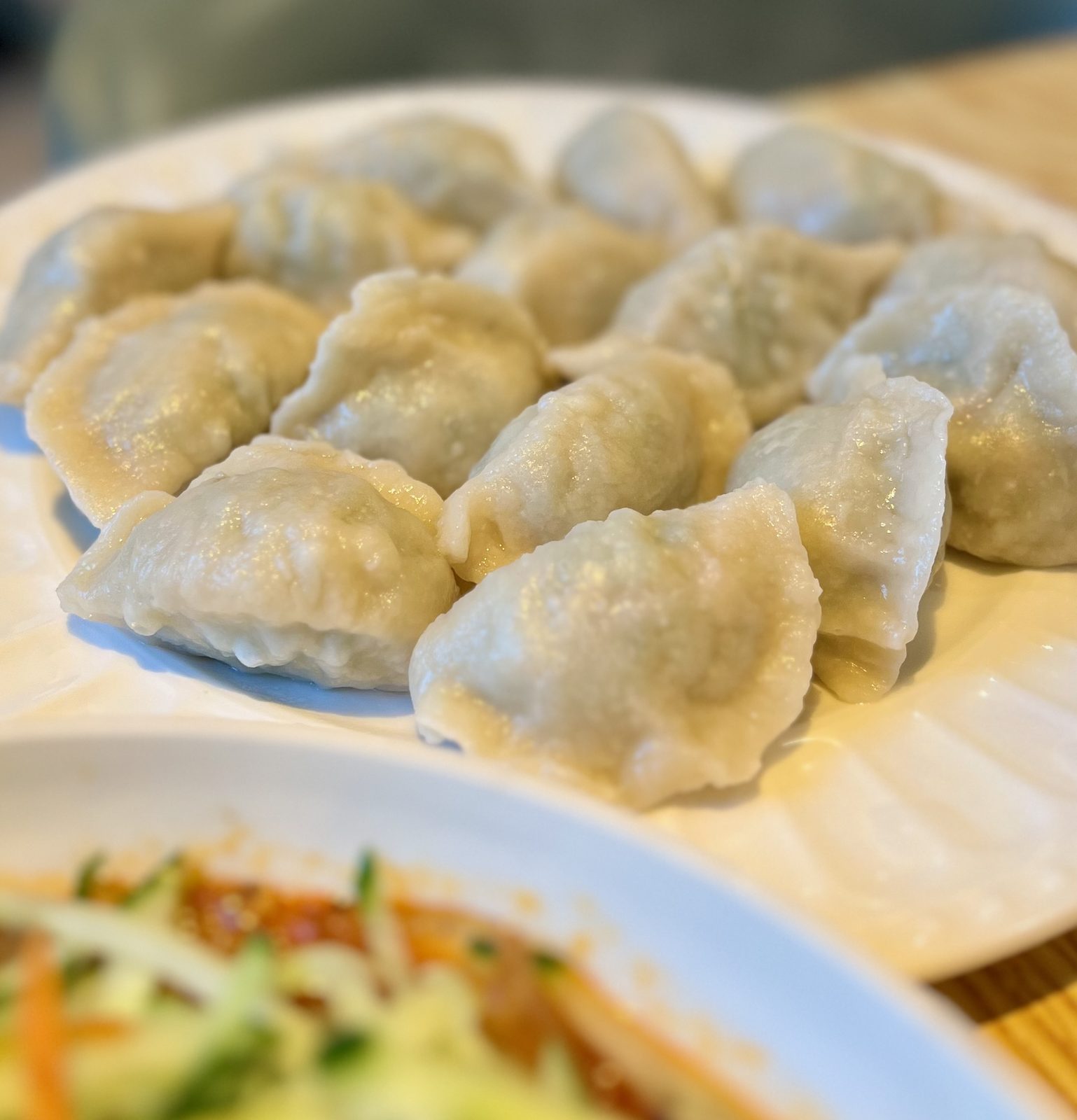
Dongbei (Northeast) — hearty, Manchurian and Russian-influenced. Order this: guo bao rou (sweet and sour crispy pork), suancai stewed with pork and glass noodles, and a dozen boiled jiaozi.
Shaanxi/Northwest — wheat-based, Silk Road-influenced. Order this: biang biang noodles, roujiamo (China’s answer to a burger), and yangrou paomo — lamb soup with hand-torn flatbread.
Part Two: The Diaspora
Wherever Chinese migrants settled in large numbers — mostly Cantonese, Hokkien (Fujianese), Hakka, and Teochew communities — they didn’t just replicate home cooking. They adapted to local ingredients, married local techniques, and over a generation or two produced something genuinely new. These are diner’s-guide essentials, not footnotes.
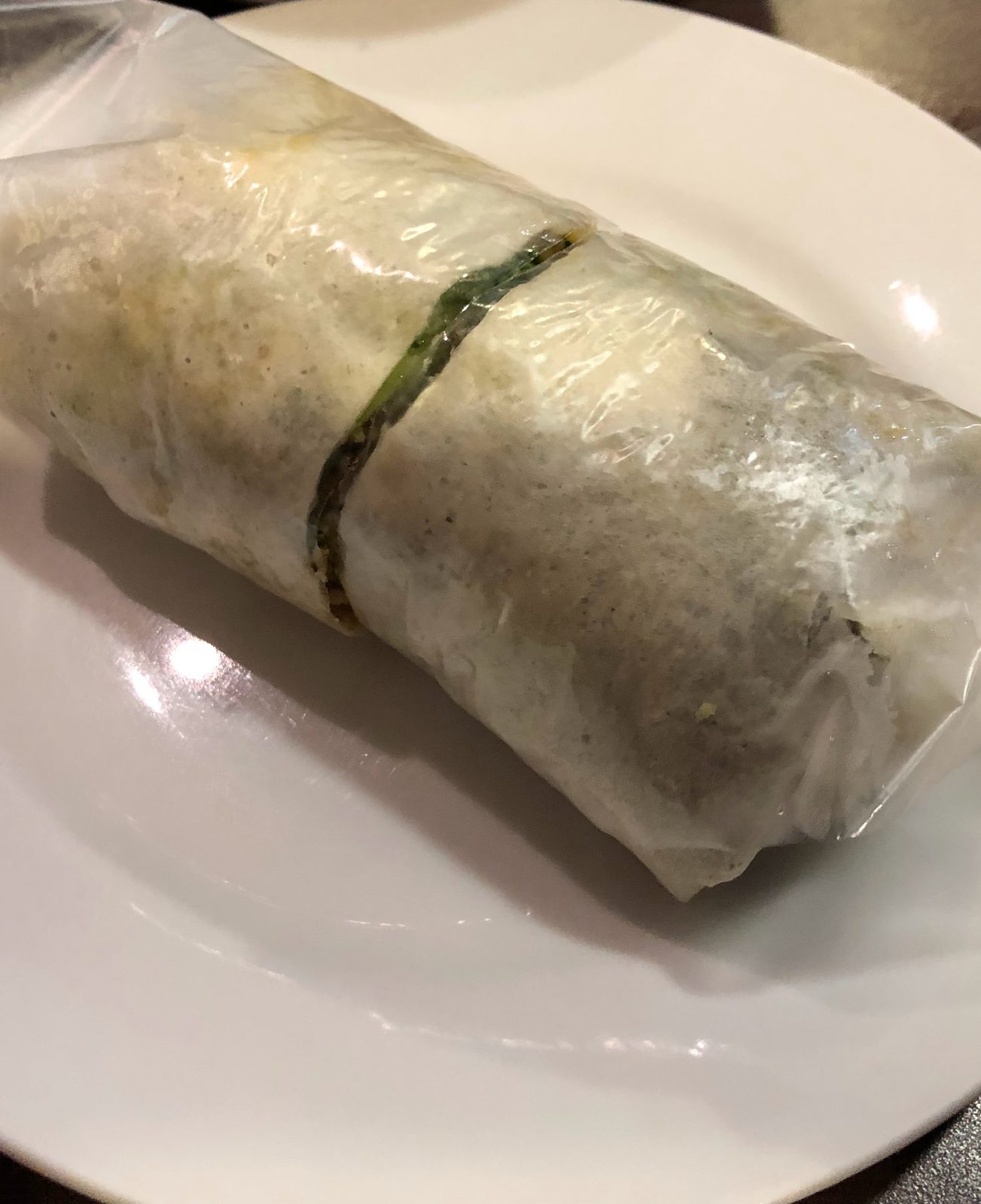
Taiwan. A layered cuisine: Hokkien/Minnan base, Hakka influence, a strong Japanese colonial-era imprint, and a wave of mainlander cooking (waishengren) that arrived with the 1949 migration. Order this: lu rou fan (braised pork rice), beef noodle soup, and oyster omelette — then work a night market for gua bao and stinky tofu.

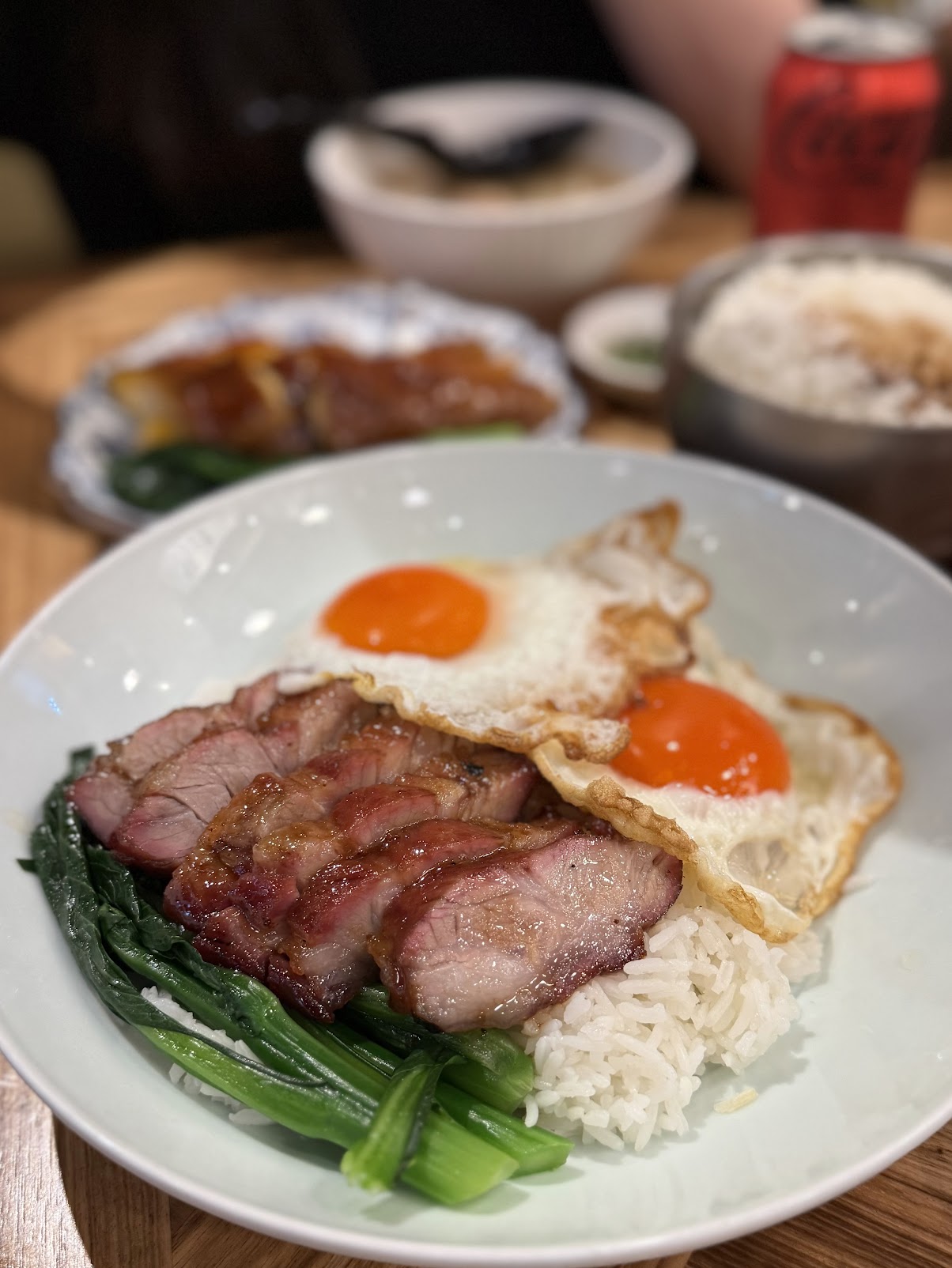
Hong Kong & Macau. Cantonese base filtered through a century of British colonial life, and in Macau, genuine Portuguese fusion. Order this: char siu from a siu mei shop and a pineapple bun with butter at a cha chaan teng in Hong Kong; African chicken (galinha à Africana) and a Portuguese-style egg tart in Macau.
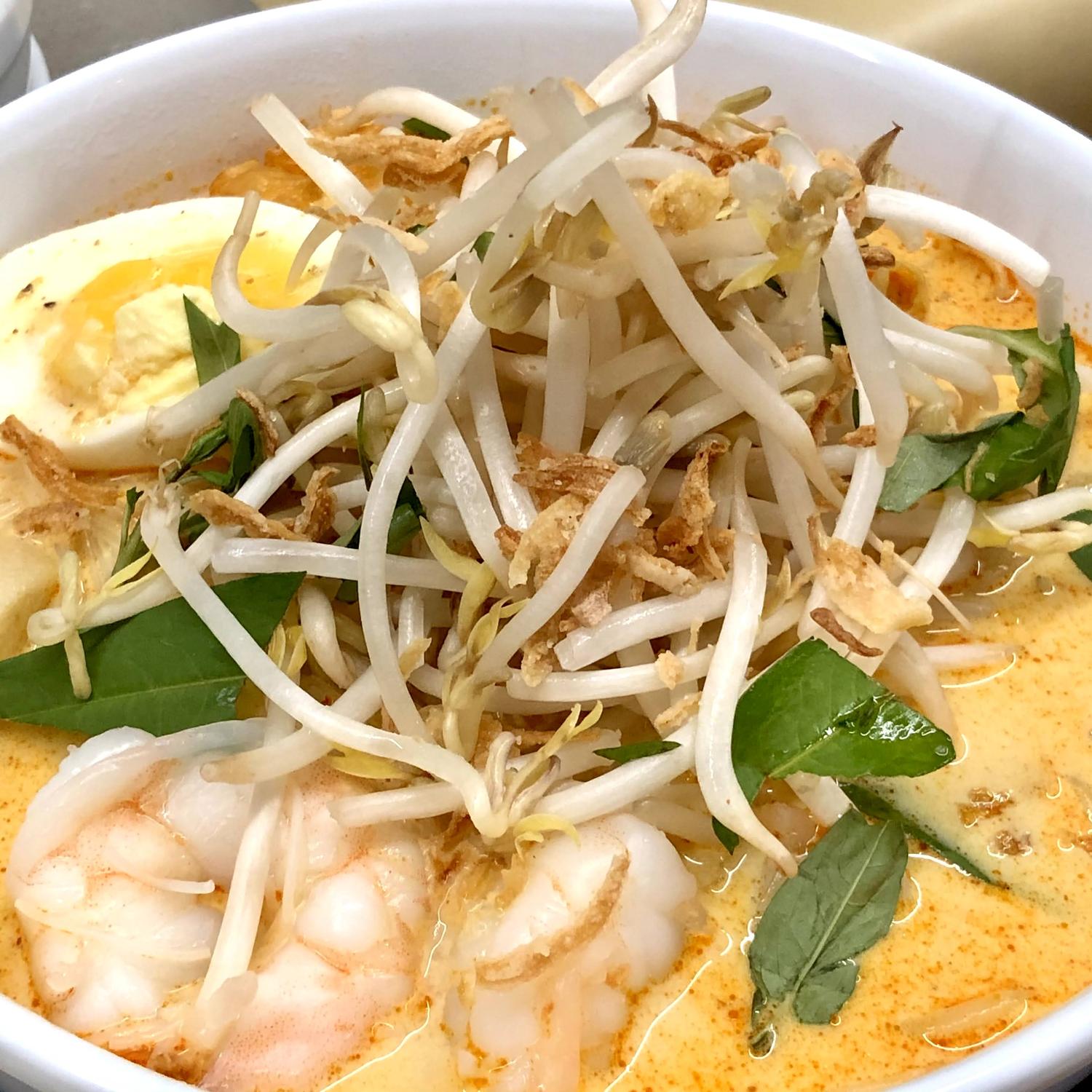
Malaysia. Home to the most distinct fusion cuisine in the region: Peranakan/Nyonya cooking, born from intermarriage between early Chinese settlers and local Malay communities, blending Chinese technique with Malay spice pastes and coconut. Order this: Nyonya laksa, Penang Hokkien mee (the prawn-noodle version, not Singapore’s dark soy version of the same name), Hainanese chicken rice, and Klang bak kut teh.
Singapore. Overlapping Peranakan, Hainanese, Teochew, and Hokkien lines expressed largely through hawker centres rather than standalone restaurants. Order this: Hainanese chicken rice, char kway teow, Teochew fishball noodles, and chili crab.

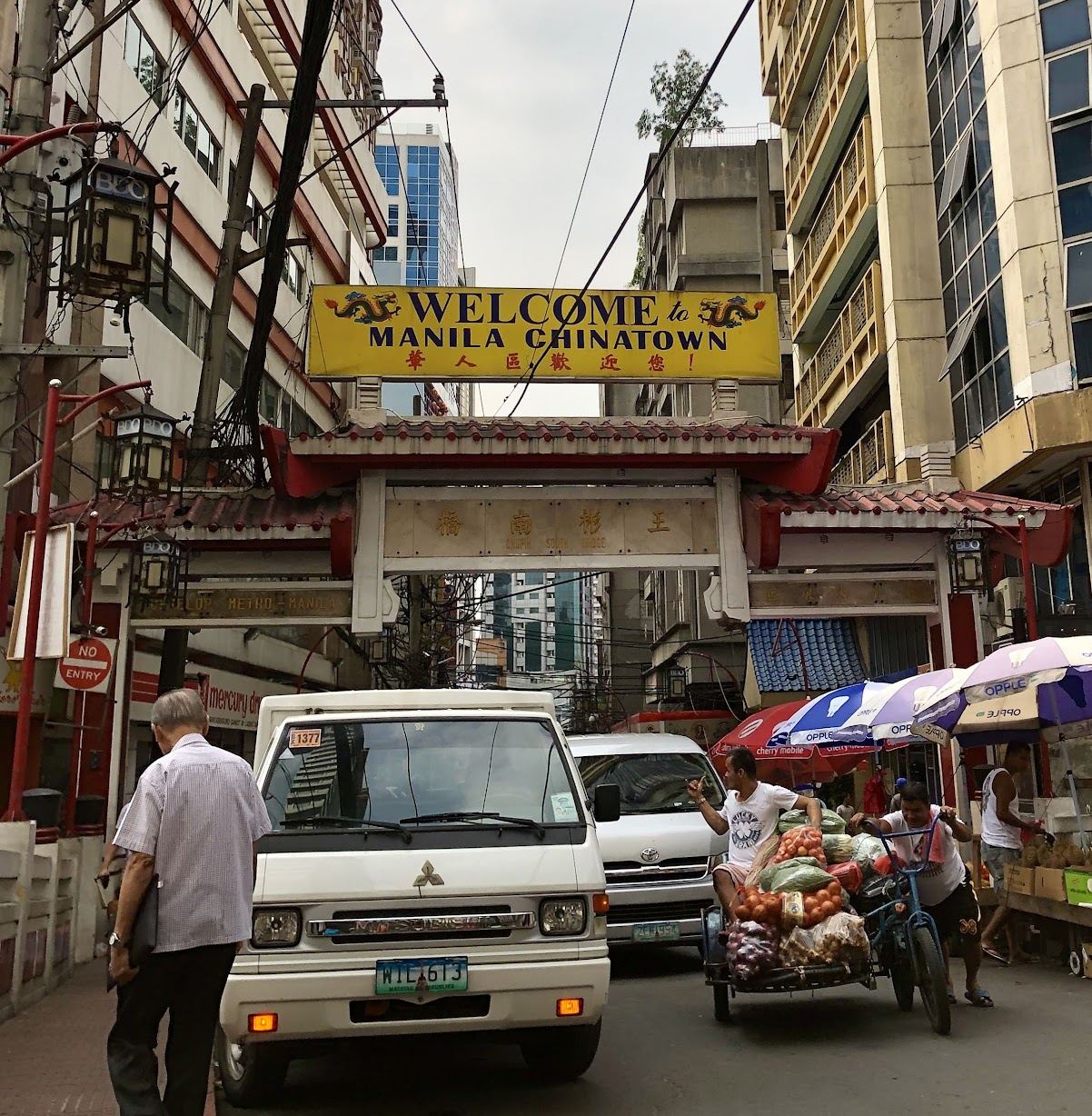
Philippines. Hokkien-rooted cuisine centred on Binondo — the world’s oldest Chinatown, established in 1594 — woven so deeply into everyday Filipino cooking that many diners don’t register it as “Chinese” at all. I’ve written the fuller version of this one elsewhere on Just Savour Life, because it’s personal: I was born in Manila myself, and this is the diaspora cuisine I have the most direct stake in. Order this: lumpiang shanghai and fresh lumpia (lumpiang sariwa), pancit canton or pancit malabon, and siopao asado from an old-guard Binondo stall.
Indonesia. Chinese-Indonesian cooking arrived largely via Fujian and Hakka migration, expressed through kopitiam (coffee shop) culture. Order this: bakmi ayam (Chinese-Indonesian noodles), lumpia Semarang, and kwetiau goreng — fried flat rice noodles.
Vietnam. The Hoa — ethnic Chinese Vietnamese, mostly Cantonese and Teochew, concentrated in Saigon’s Chợ Lớn — shaped noodle soup culture, congee, and stir-fry technique so thoroughly that the line between “Chinese” and “Vietnamese” stops being a useful one. Char siu turns up as the filling in a bánh mì; Yangzhou fried rice sits on menus as cơm chiên Dương Châu, its origin still in the name. Order this: hủ tiếu Nam Vang, mì hoành thánh (wonton noodle soup) from a Chợ Lớn counter, and phá lấu — braised offal, a Teochew inheritance.
Thailand. Teochew above all — the community that dominated nineteenth-century migration into Siam, and the reason Bangkok’s entire noodle vocabulary is a Chaoshan one. Yaowarat is the Chinatown, but the influence was never contained there: it is in the wok technique behind half the national menu. Order this: boat noodles (kuay teow rua), kuay jab nam sai — rolled rice noodles in a peppery broth — khao man gai, and guay teow khua gai (dry stir-fried noodles).
India. Indo-Chinese cuisine grew out of Kolkata’s Tangra Chinatown, built by Hakka immigrants, and evolved into something India now claims as fully its own. Order this: chicken Manchurian, chili chicken, and Hakka noodles.
The Americas. Several separate stories worth knowing. American Chinese food was largely invented in the US by Cantonese immigrants adapting to local ingredients and diner tastes. Order this: General Tso’s chicken and chop suey — if only to taste the invention itself. Canadian Chinese food has its own regional quirks, and Richmond, BC, has a Chinese food scene widely considered one of the most genuinely diverse in North America — closer in range to Hong Kong or the mainland than to the chow-mein-and-egg-roll shorthand most of the continent still pictures when it hears “Chinese-Canadian.” Order this: a Maritime-style chow mein sandwich and a small-town prairie combo plate (chicken balls, egg roll, chow mein) for the older story, then a proper Richmond food court for the newer one. Peruvian Chifa is one of the more striking global fusion stories, where 19th-century Cantonese immigrants married their cooking to Peruvian ingredients. Order this: arroz chaufa (Chinese-Peruvian fried rice), lomo saltado, and tallarín saltado.

The Throughline
Trace almost any diaspora dish back far enough and you land on one of four migrant communities — Cantonese, Hokkien, Hakka, or Teochew — and one of a handful of 19th- and 20th-century migration waves. Understanding that lineage is what turns “ordering Chinese food” into reading a dish for what it’s actually telling you about who cooked it, where they came from, and what they had to work with when they got there.
That’s really the whole philosophy behind Just Savour Life in one guide: the specific version of something is almost always more interesting than the generic one, and it’s usually sitting one menu section away from where everyone else is ordering.



The Newsletter
New pieces, plus what’s on my table next. Every few weeks.

An error has occurred somewhere and it is not possible to submit the form. Please try again later or contact us.


